


|
|
|
|
by Editor Jacob (Jian) Xu
Edited and published by Yvette Depaepe, the 27th of February 2026
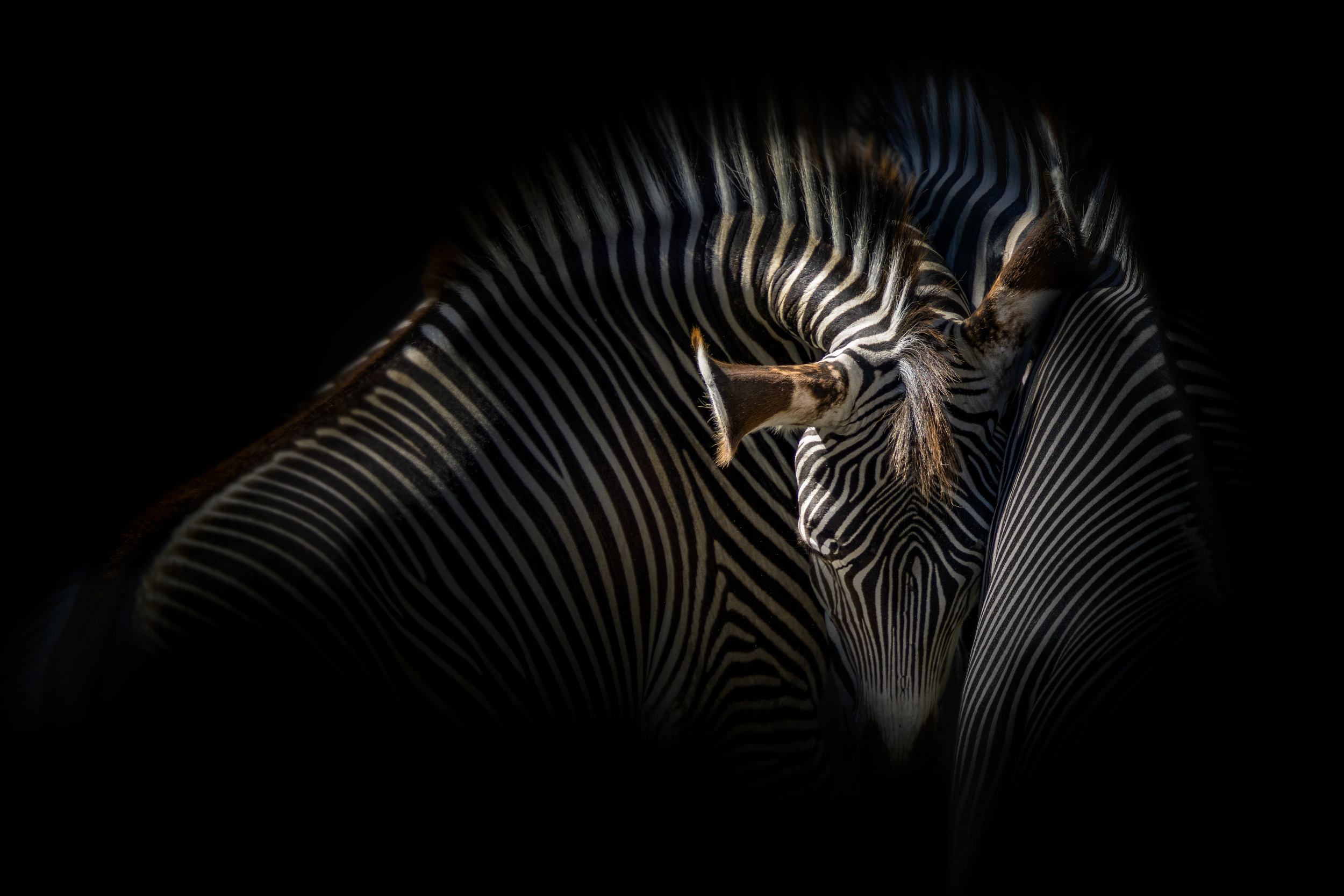
‘Just hold me.’ by Jealousy
Wildlife photography often captures decisive moments, such as a burst of movement, a chase, a clash or a capture. These images are dramatic, immediate and visually striking. They capture moments that are often perceived as a wonderful 'story'.
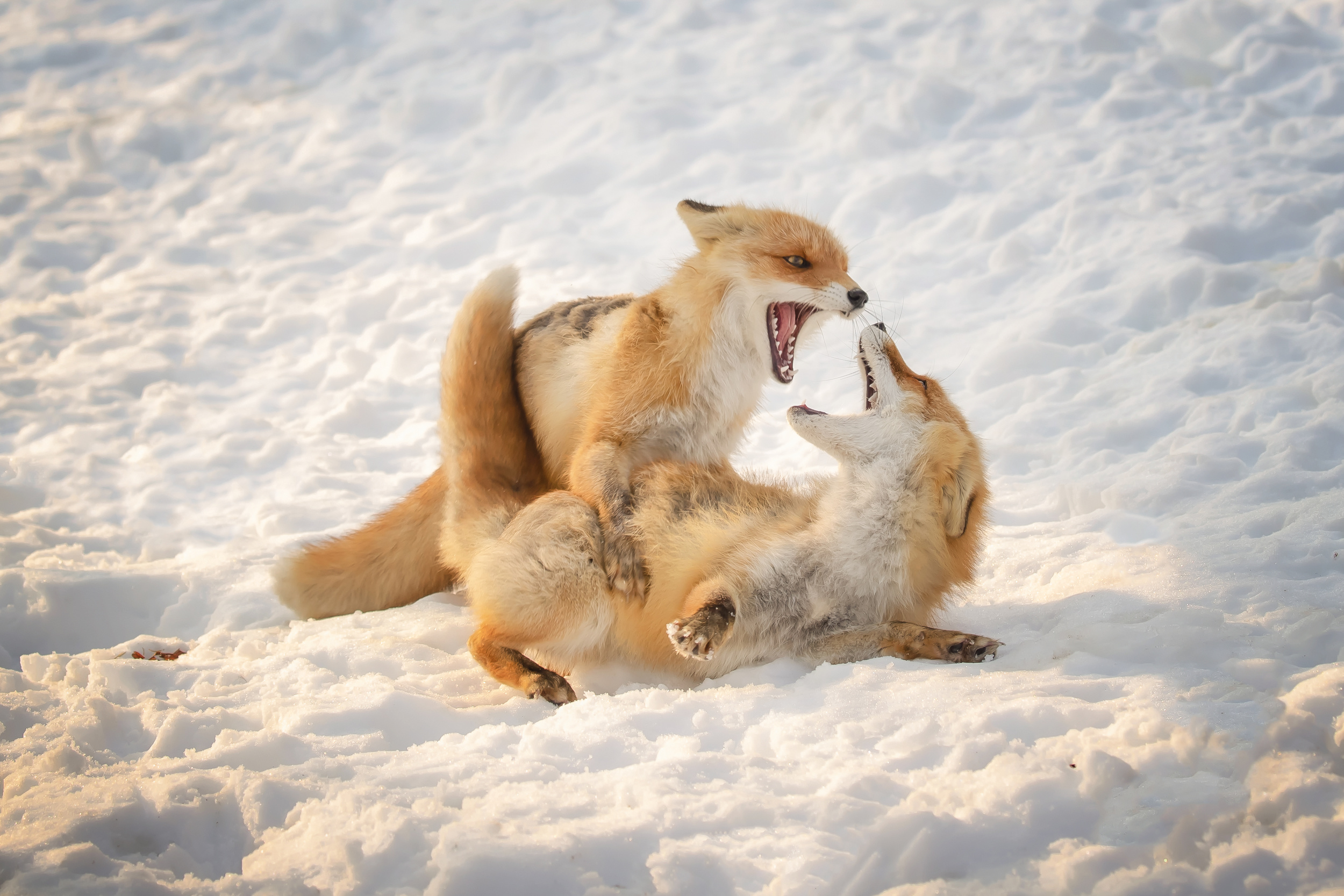
‘Fights’ by Fion Wong
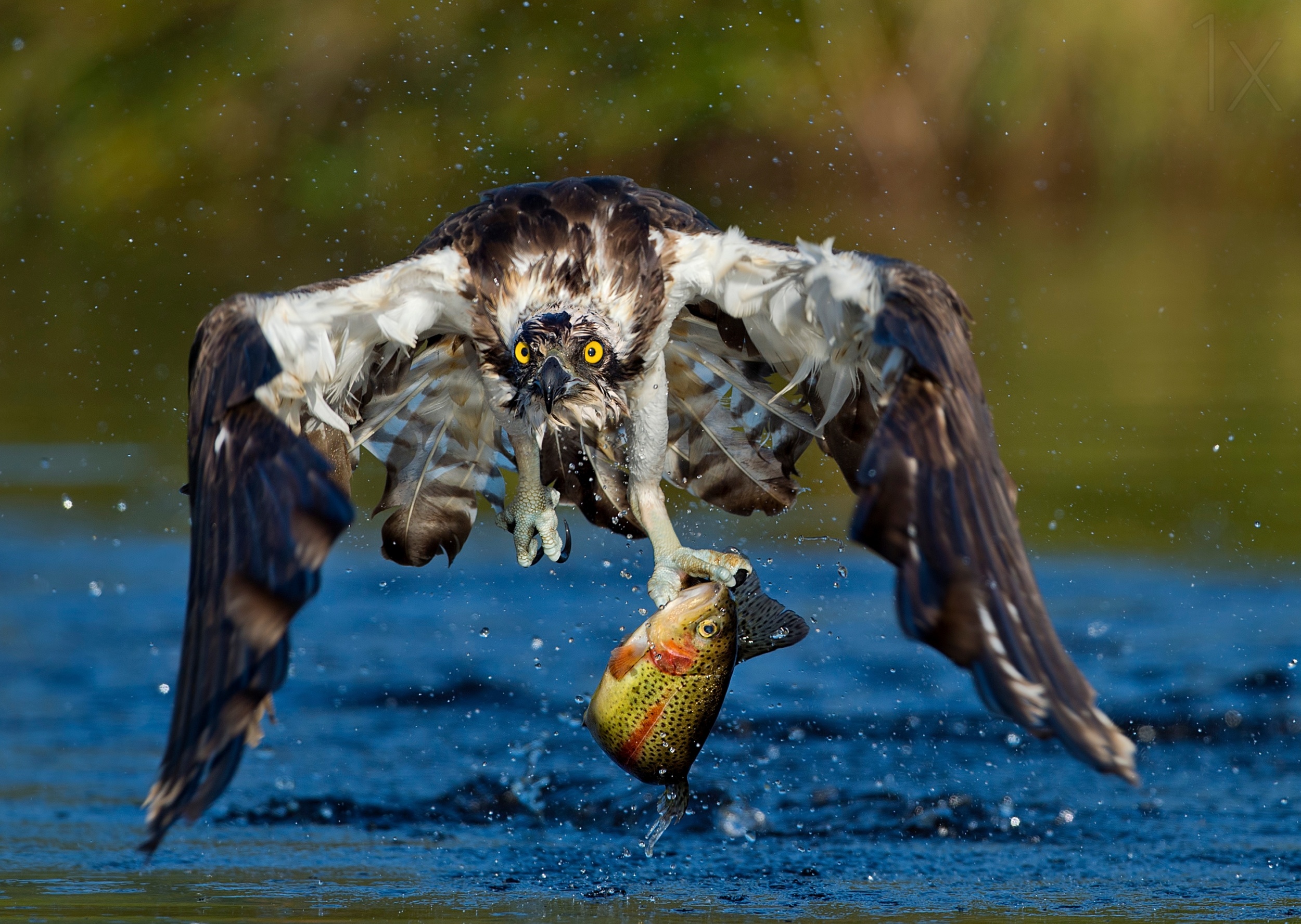
‘Bye bye Mr Trout’ by jose pesquero
Action-driven images dominate our collective imagination. Representing mastery of timing and storytelling, they deserve their place.
Yet wildlife is not always in motion. Most of its existence unfolds in stillness. These quieter moments demand patience, and because nothing 'happens', they are easy to overlook. In photography, silence is not the absence of content, but the presence of restraint. Whereas action shouts, silence invites. It encourages the viewer to slow down, stay a little longer and listen with their eyes.
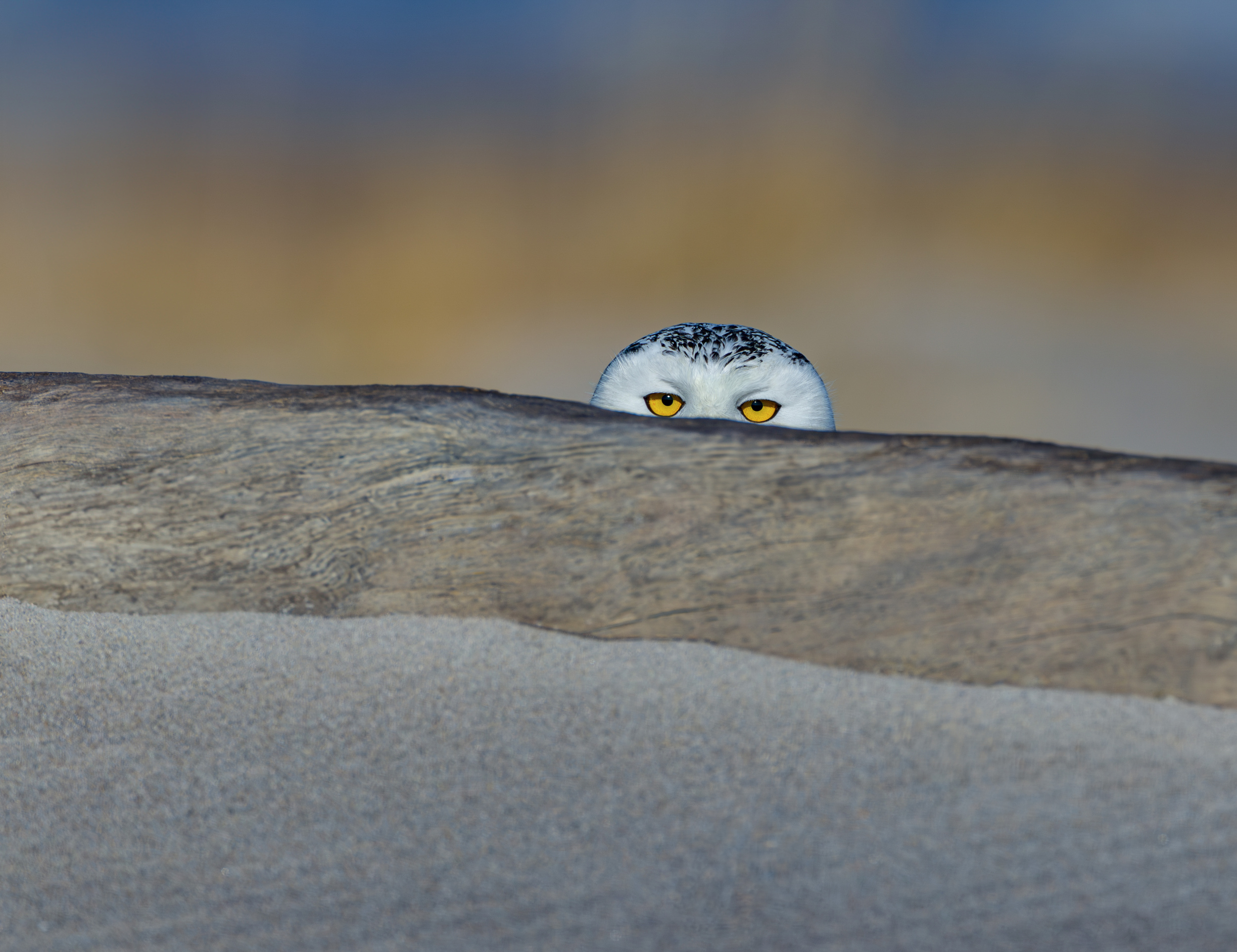
‘A look that pierces the soul’ by YU LIN
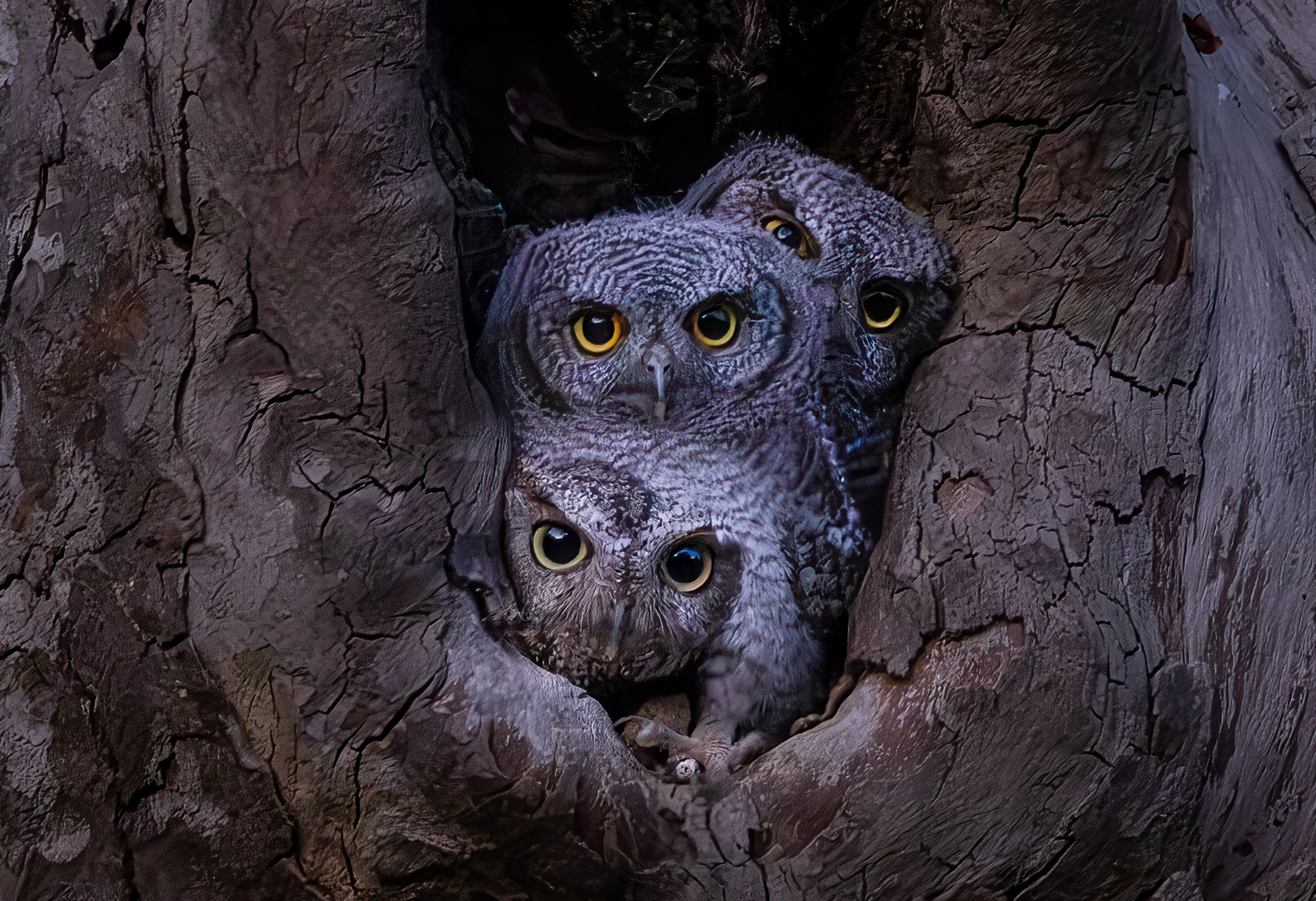
‘Outside of the World’ by DonnaHom APA
In wildlife photography, silence often reveals itself through subtle gestures rather than dramatic behaviour.
It relies less on spectacle and more on mood, spacing and lighting. Silence fosters intimacy. Fog softens edges. Snow absorbs sound. Muted tones calm the frame. Even colour contributes to a sense of calm rather than excitement. Silence is not about doing less. It's about seeing things differently.
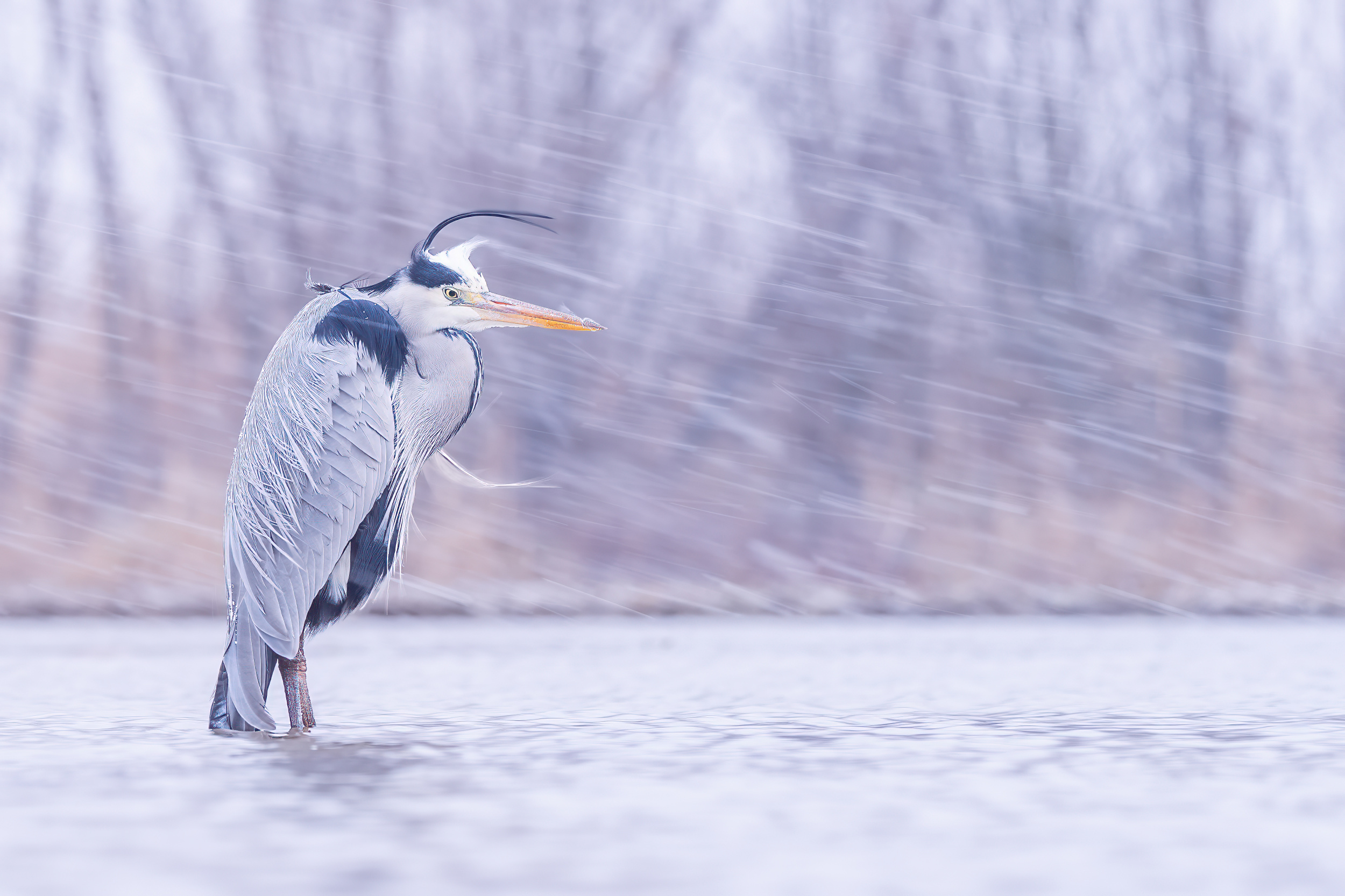
‘Enduring the snowstorm’ by Dirk Koster
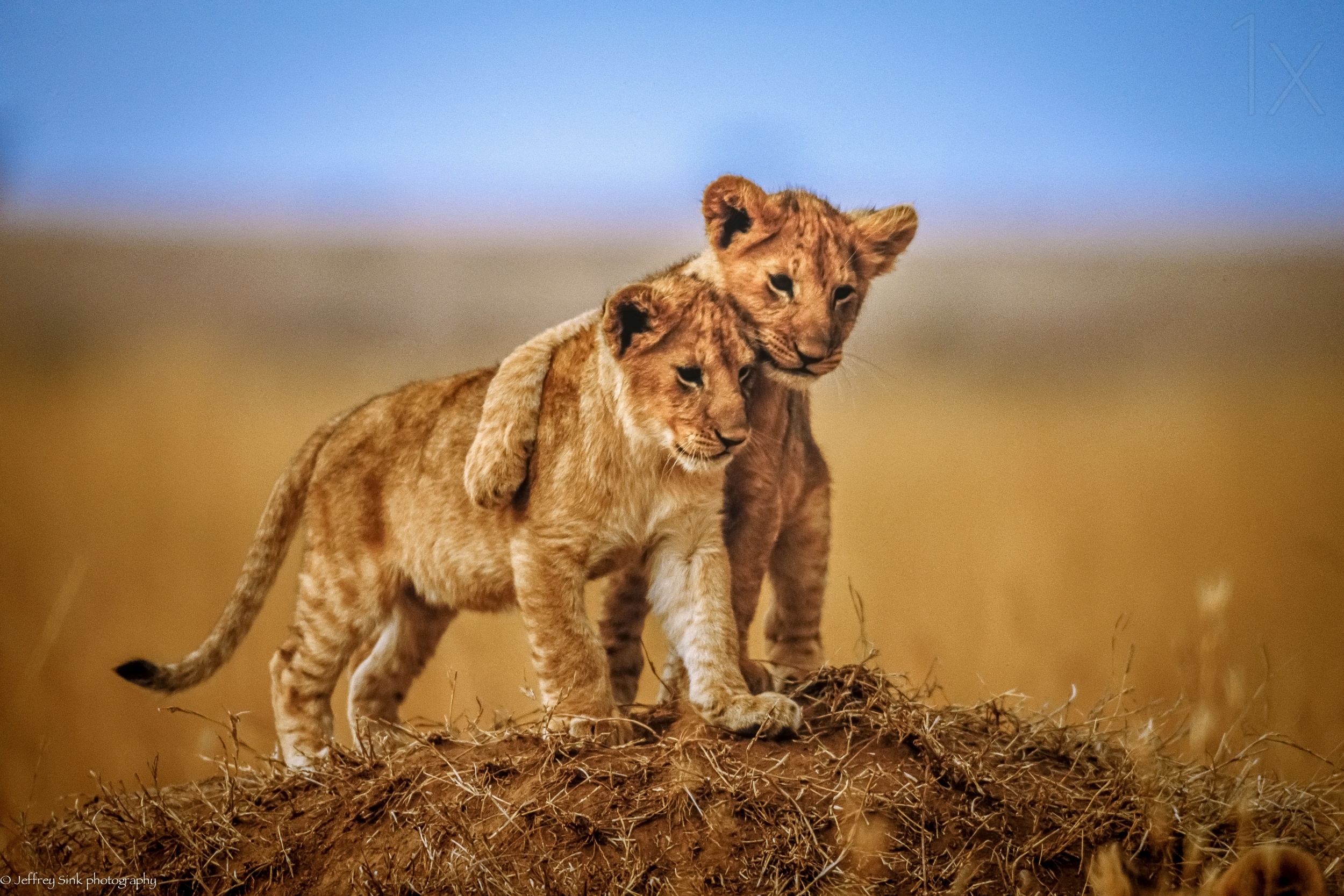
‘Brothers for Life’ by Jeffrey C. Sink
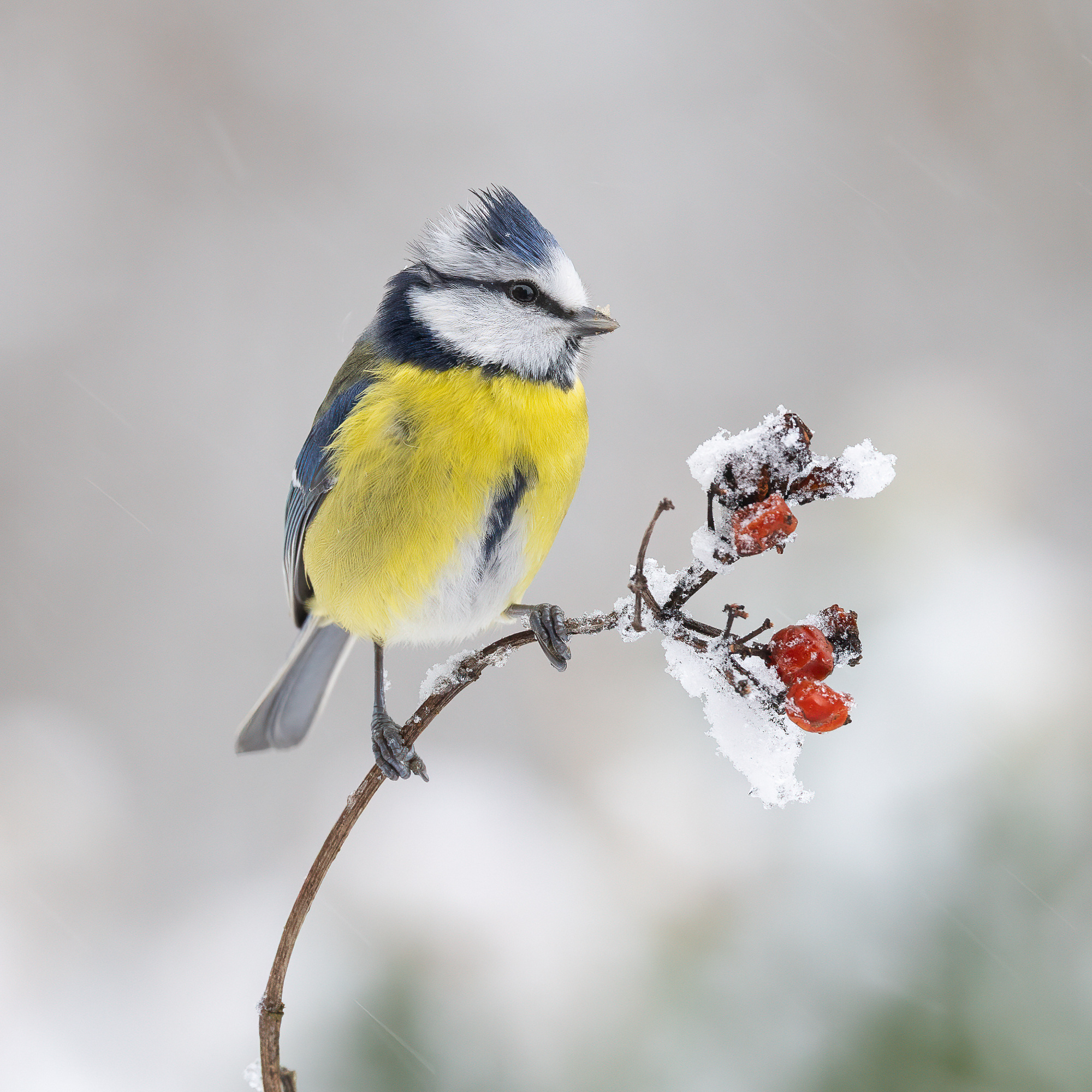
‘Winter in Holland.’ by Annie Keizer
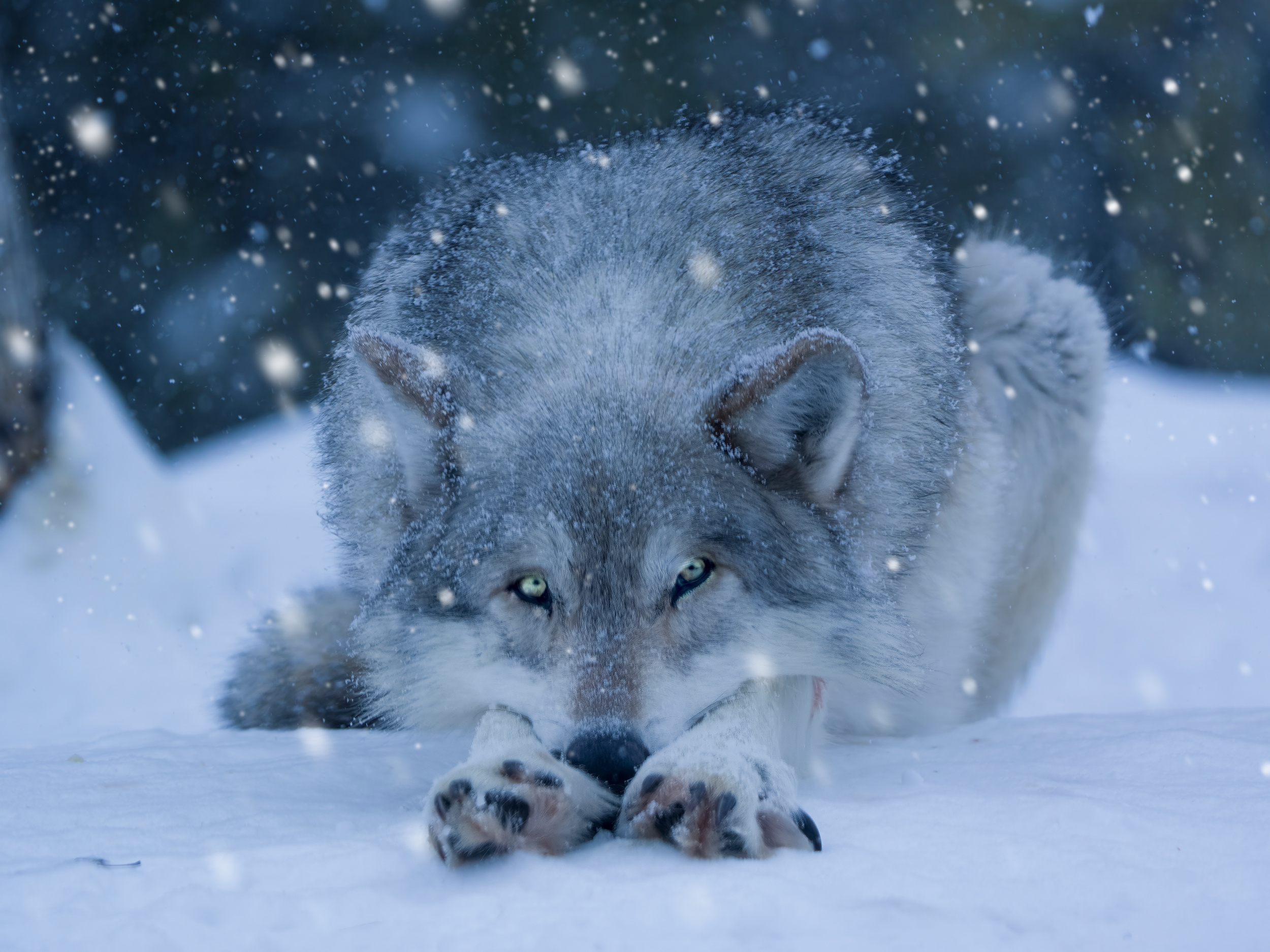
‘Silent Stalker’ by Chunying Yin
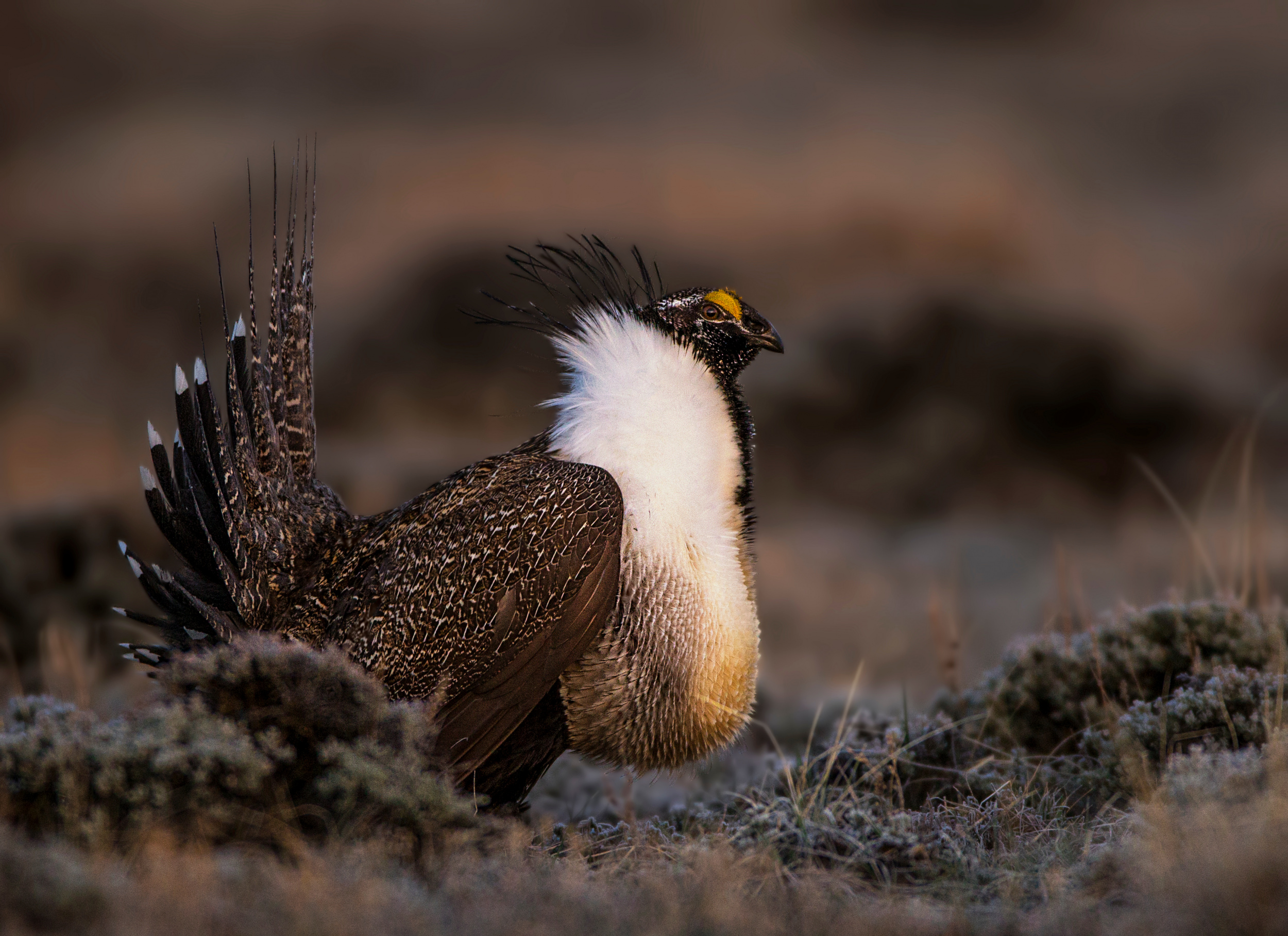
‘Sage Grouse’ by Verdon
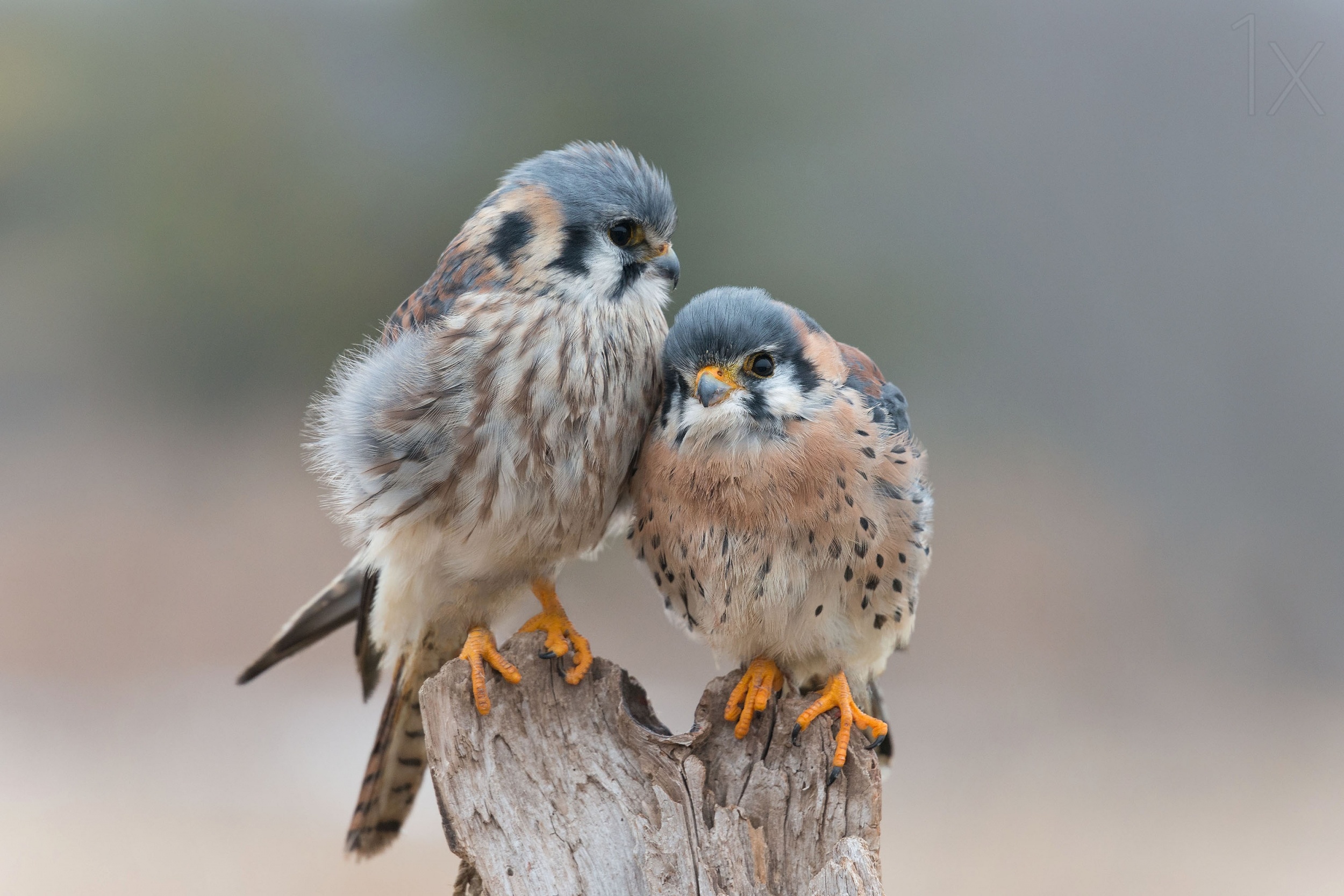
‘Love Birds’ by Nick Kalathas
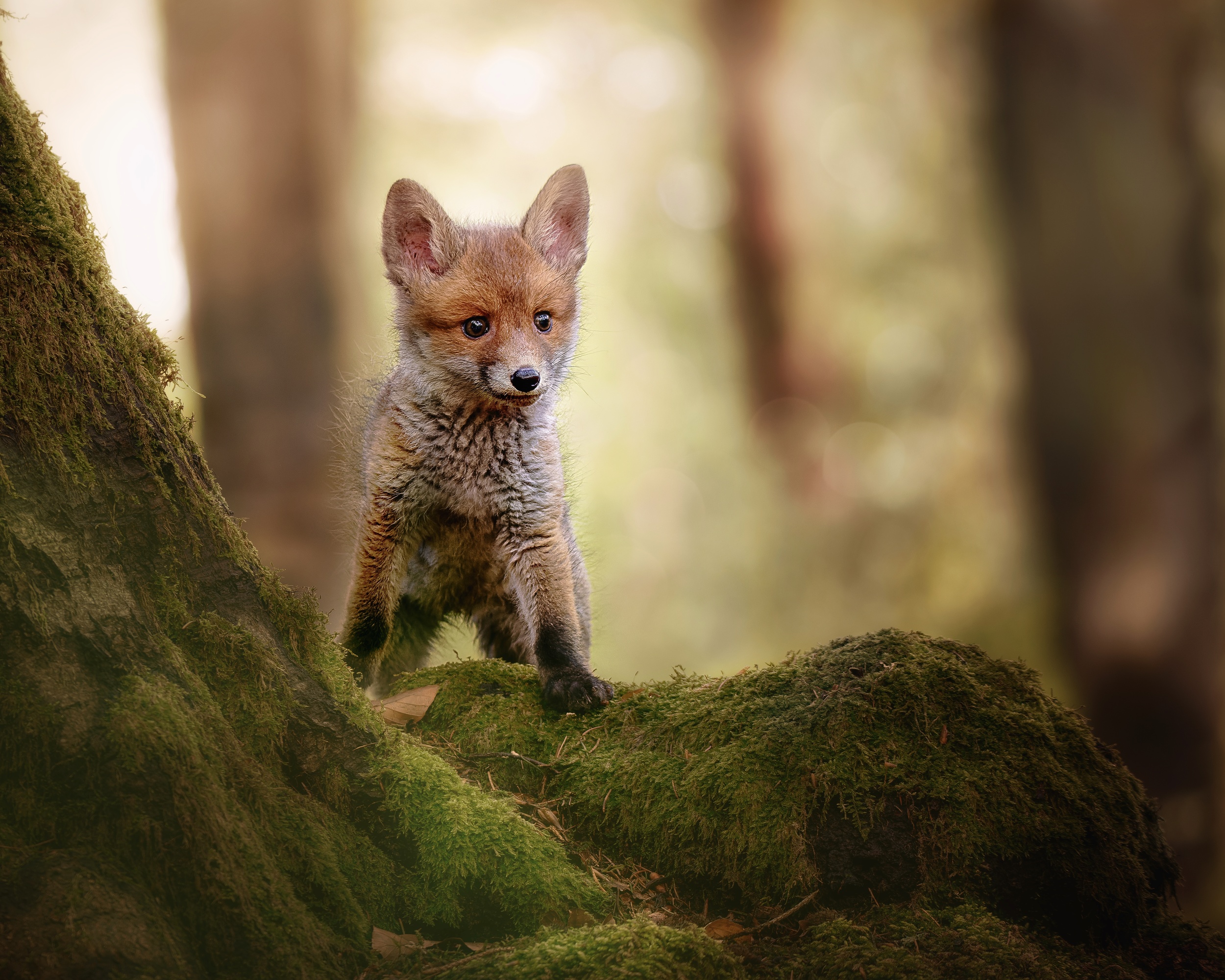
‘Fox cub’ by Michaela Firešová
In silent images, the environment can speak as loudly as the subject.
Negative space provides the viewer with breathing room. Soft, diffused light reduces contrast and visual tension. Placing the subject further away from the camera shifts the emphasis away from dominance and towards presence. The environment is not just a backdrop; it becomes an active component of the visual language of quiet.
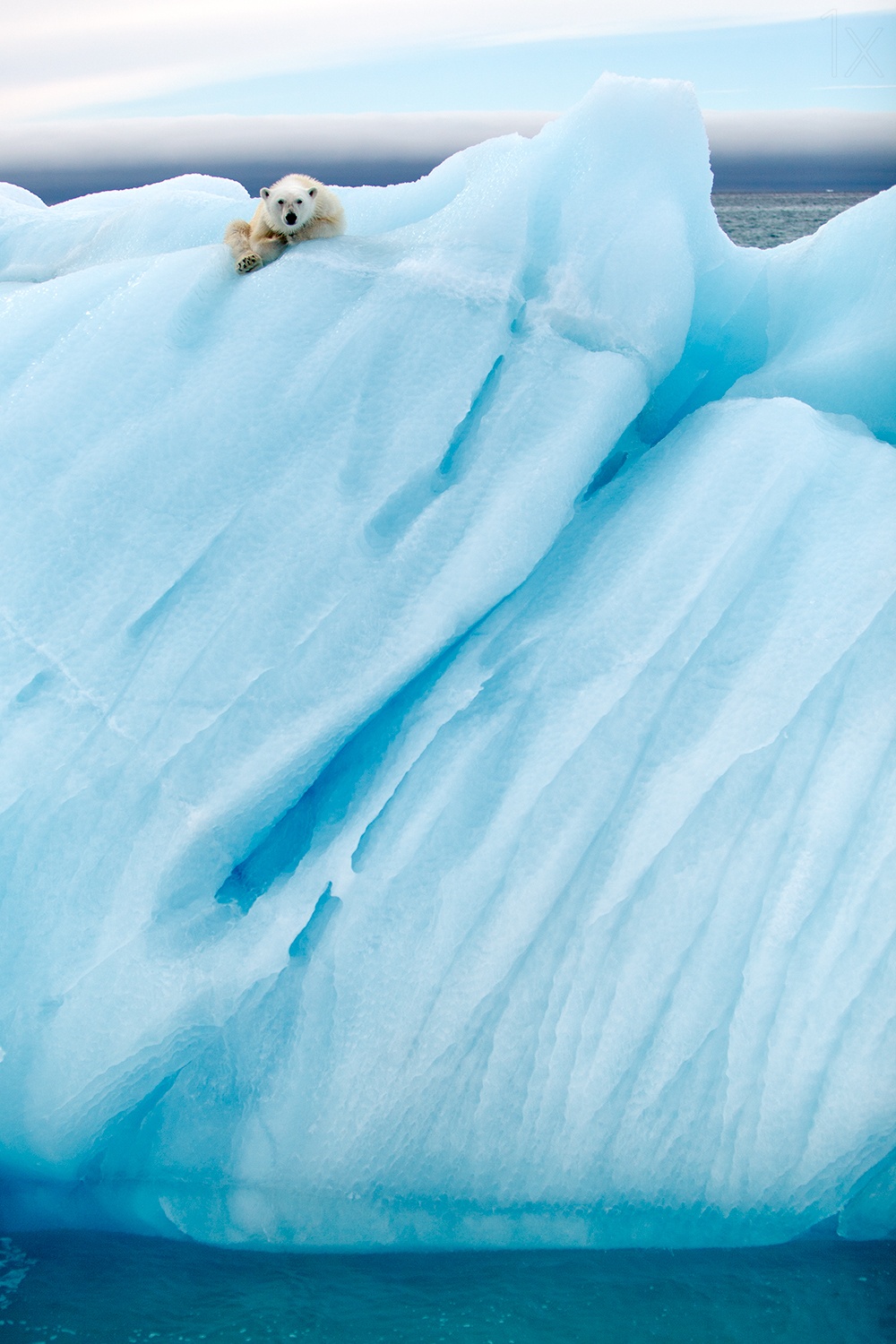
‘Observing’ by Joan Gil Raga
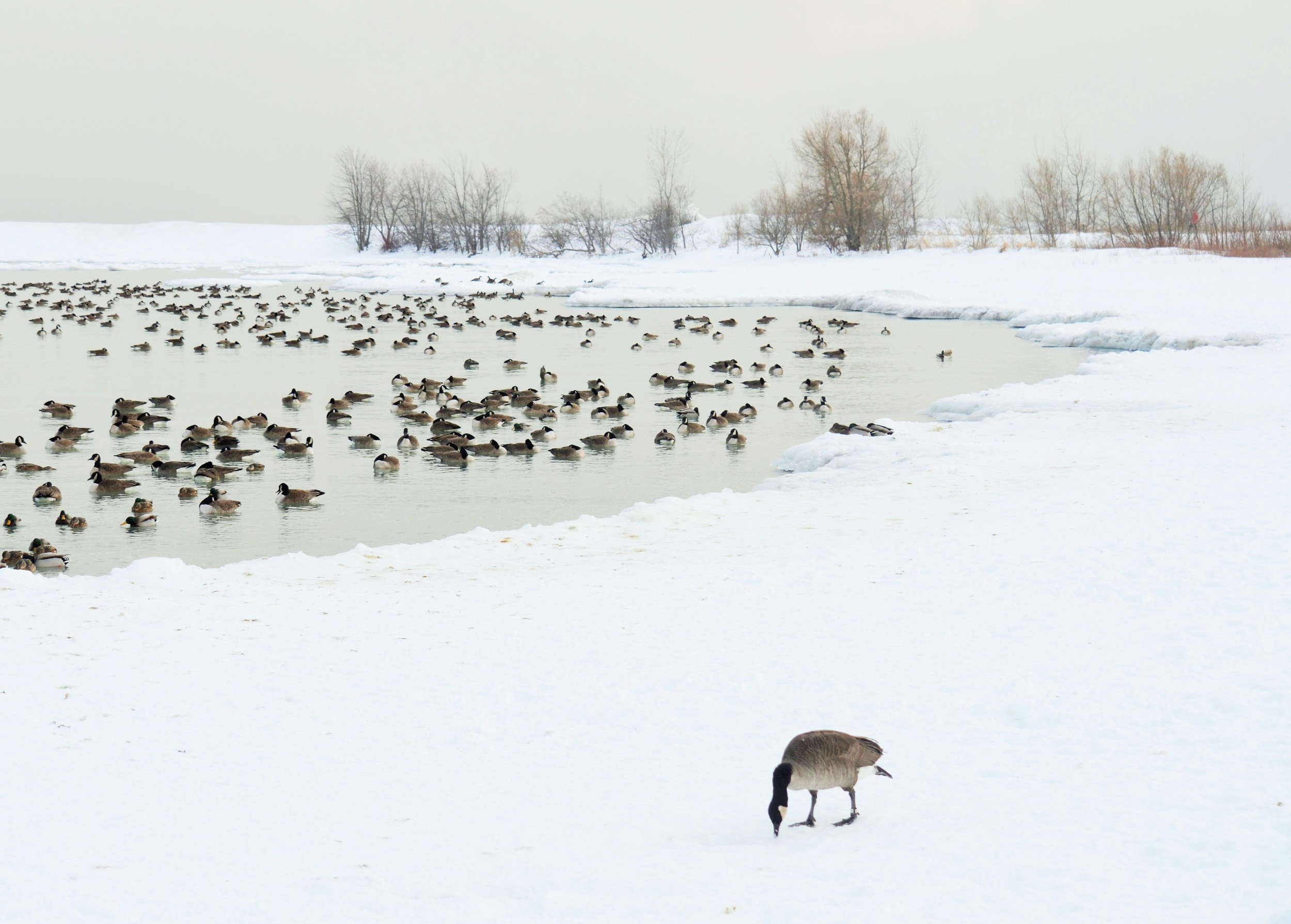
‘The Loner’ by Susan
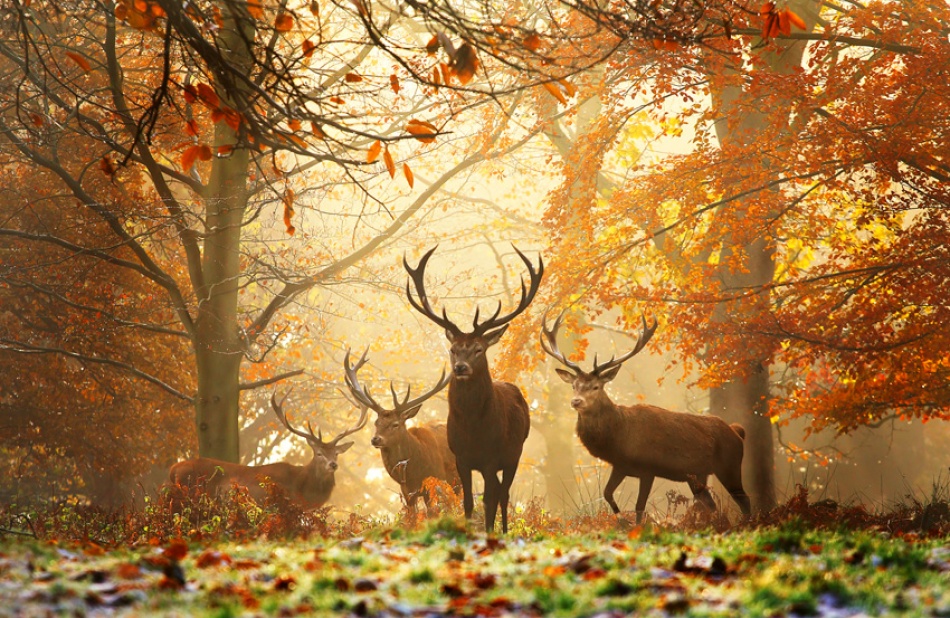
‘Realm of the Deer’ by Alex Saberi
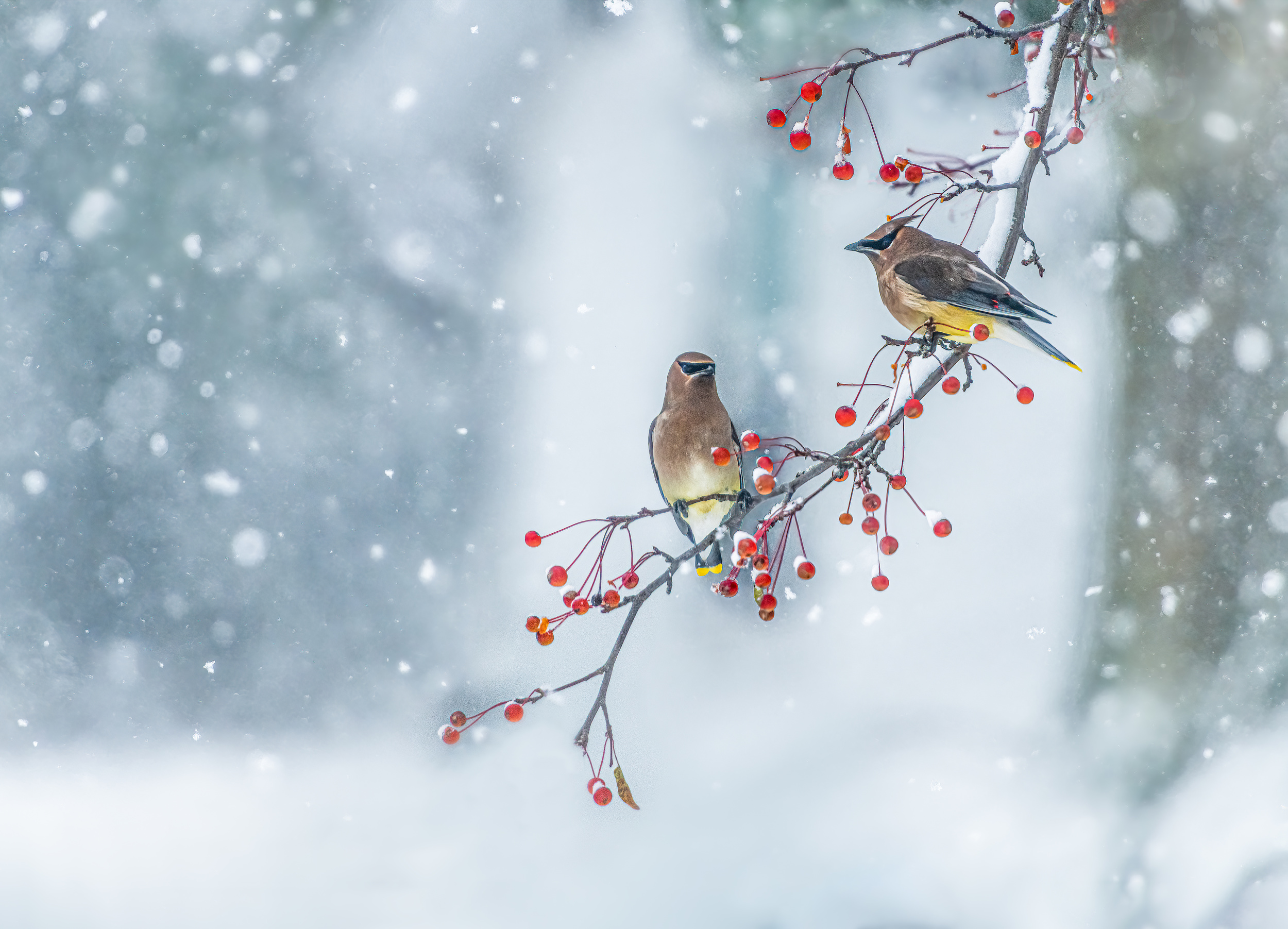
‘Colors of Winter’ by Hong Chen
Images of quiet wildlife often suggest vulnerability, intimacy and contemplation.
Rather than admiring power, they invite the viewer to share a moment. Silence invites engagement, revealing stories through pauses and feelings rather than actions and details. In our fast-paced visual world, this kind of connection is rare and deeply human.
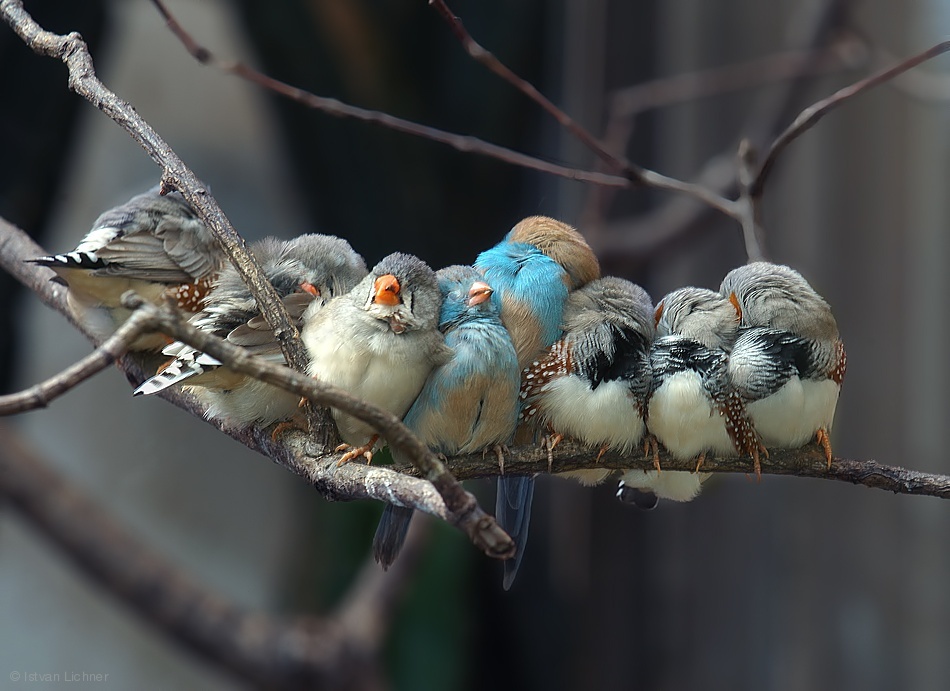
‘Siesta’ by Istvan Lichner
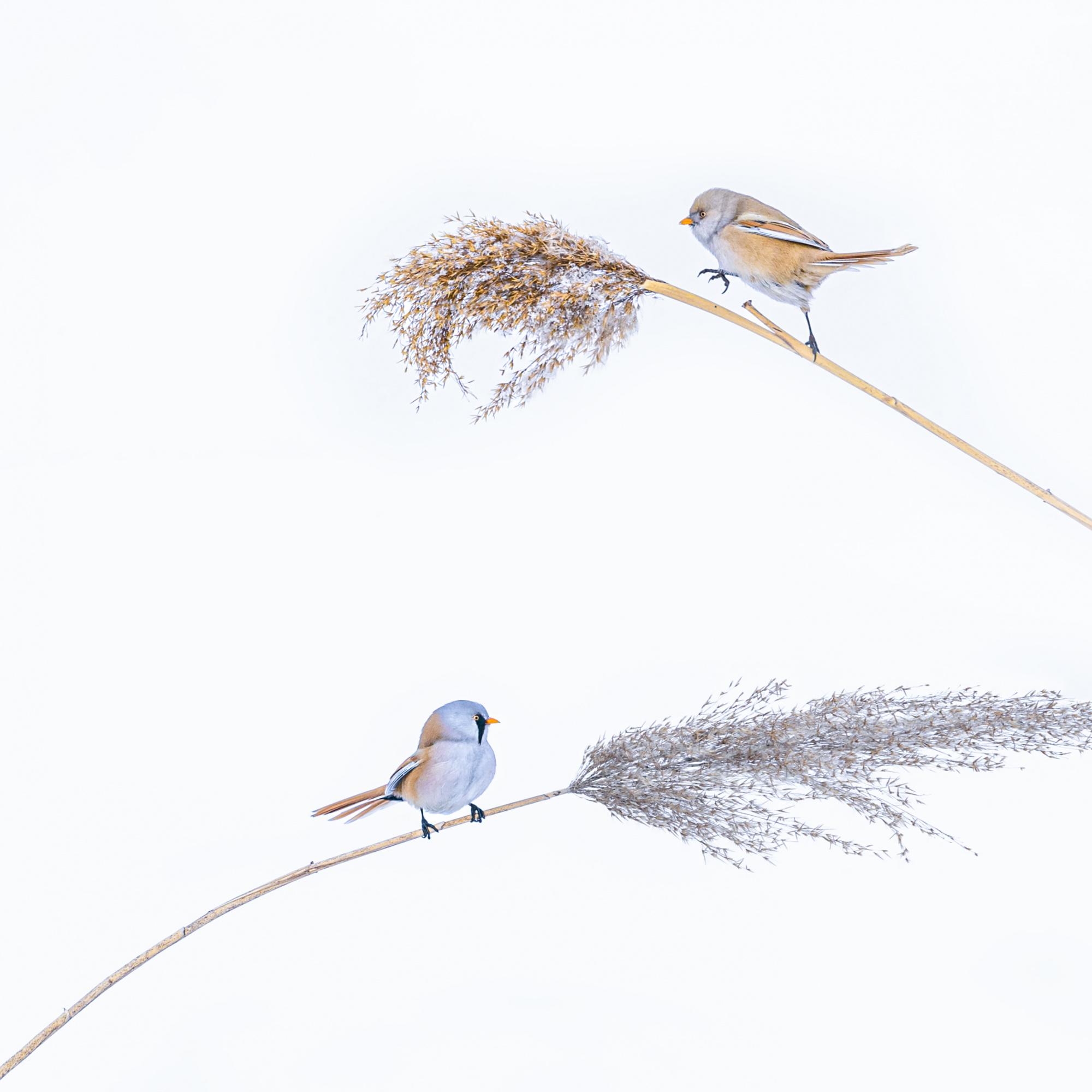
‘Reed Parrotbill’ by Xuedong Bai
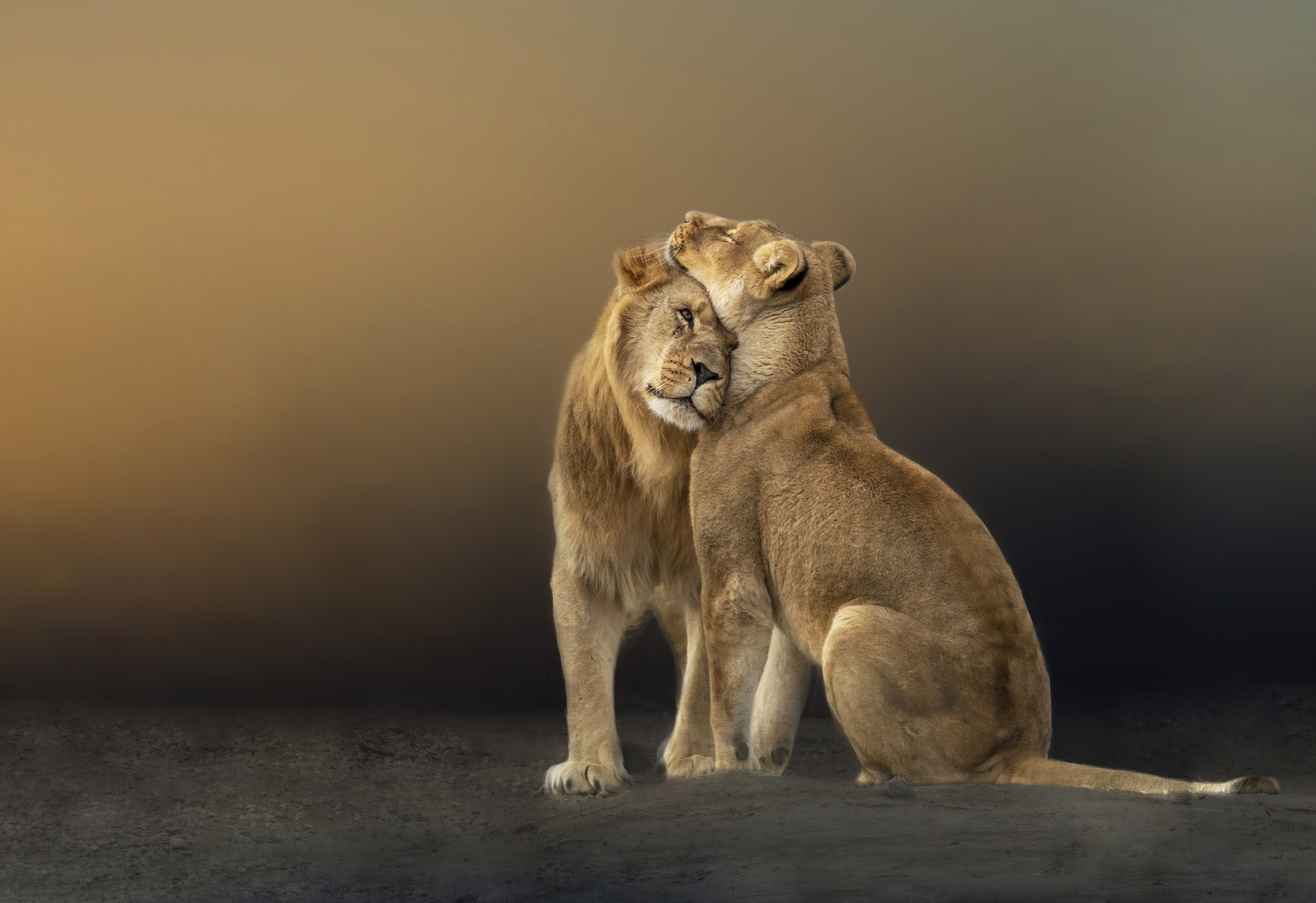
‘Love is Universal’ by Marketa Zvelebil PhD LRPS CrGP.
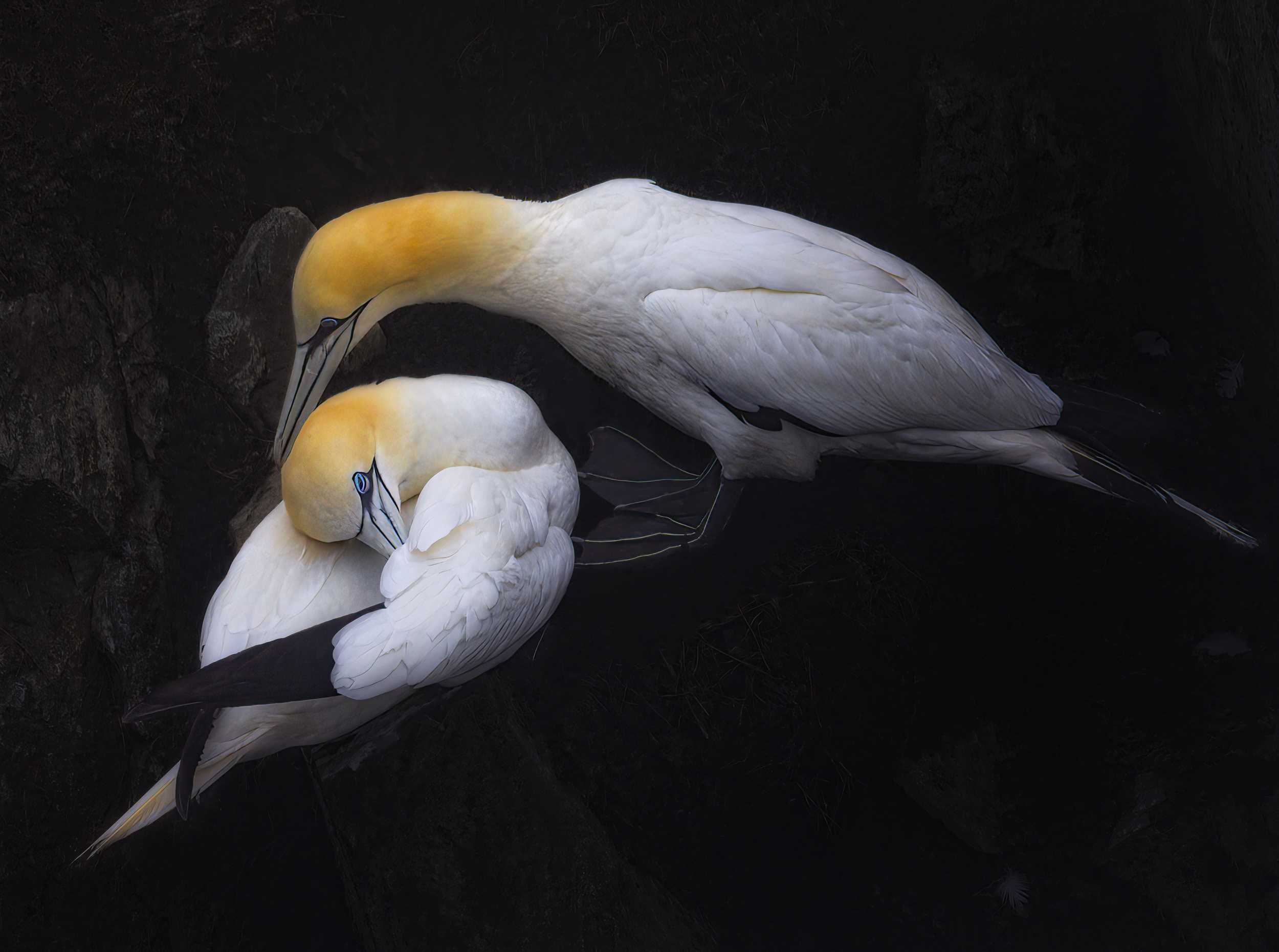
‘Lullaby’ by Molly Fu APA
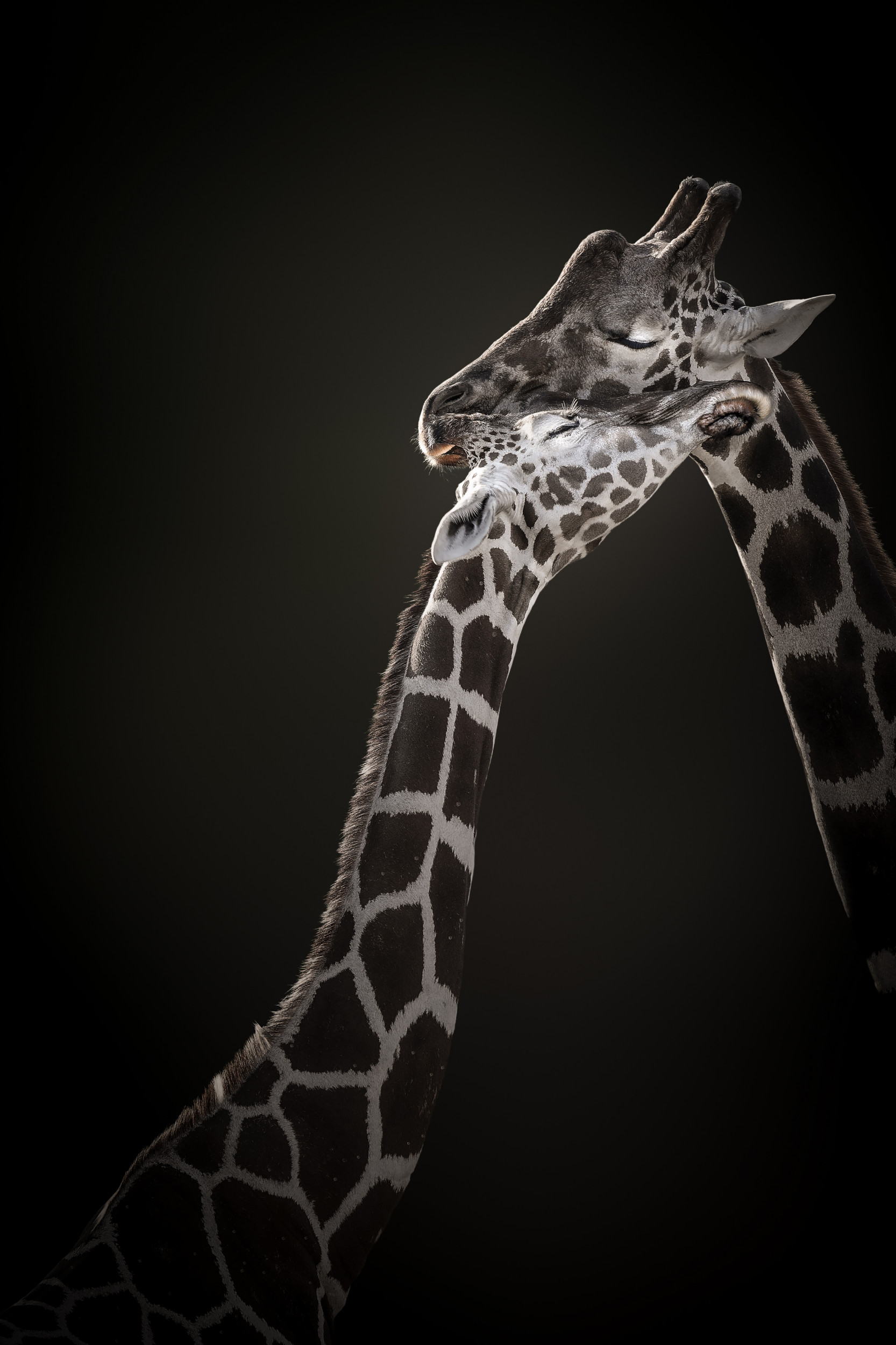
‘You mean the world to me’ by Jealousy
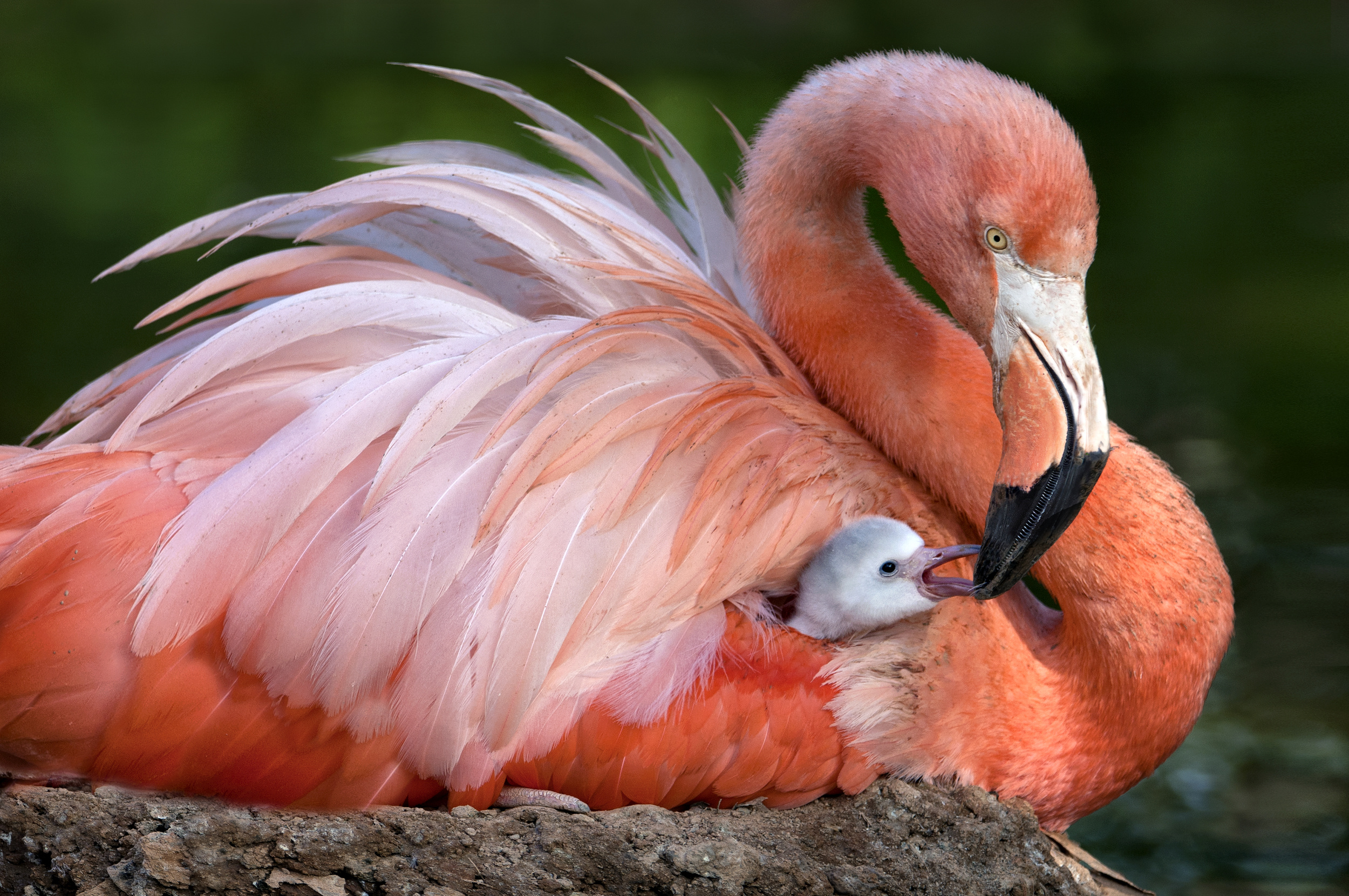
‘Flamingo mom with her chick’ by Xavier Ortega
In photography, silence is not accidental, but a deliberate choice.
To choose stillness is to accept that nothing dramatic may happen, and to recognise that this has value too. Silence is not a missed opportunity; it is an intentional way of seeing. Furthermore, silence often reflects the photographer’s inner state of mind. In order to notice quiet moments, one must first slow down. To capture stillness, you must be still yourself. In wildlife photography, silence reminds us that not every story is told through movement. Some stories are whispered, not shouted. Sometimes, the most powerful images are created when we stop waiting for something to happen.
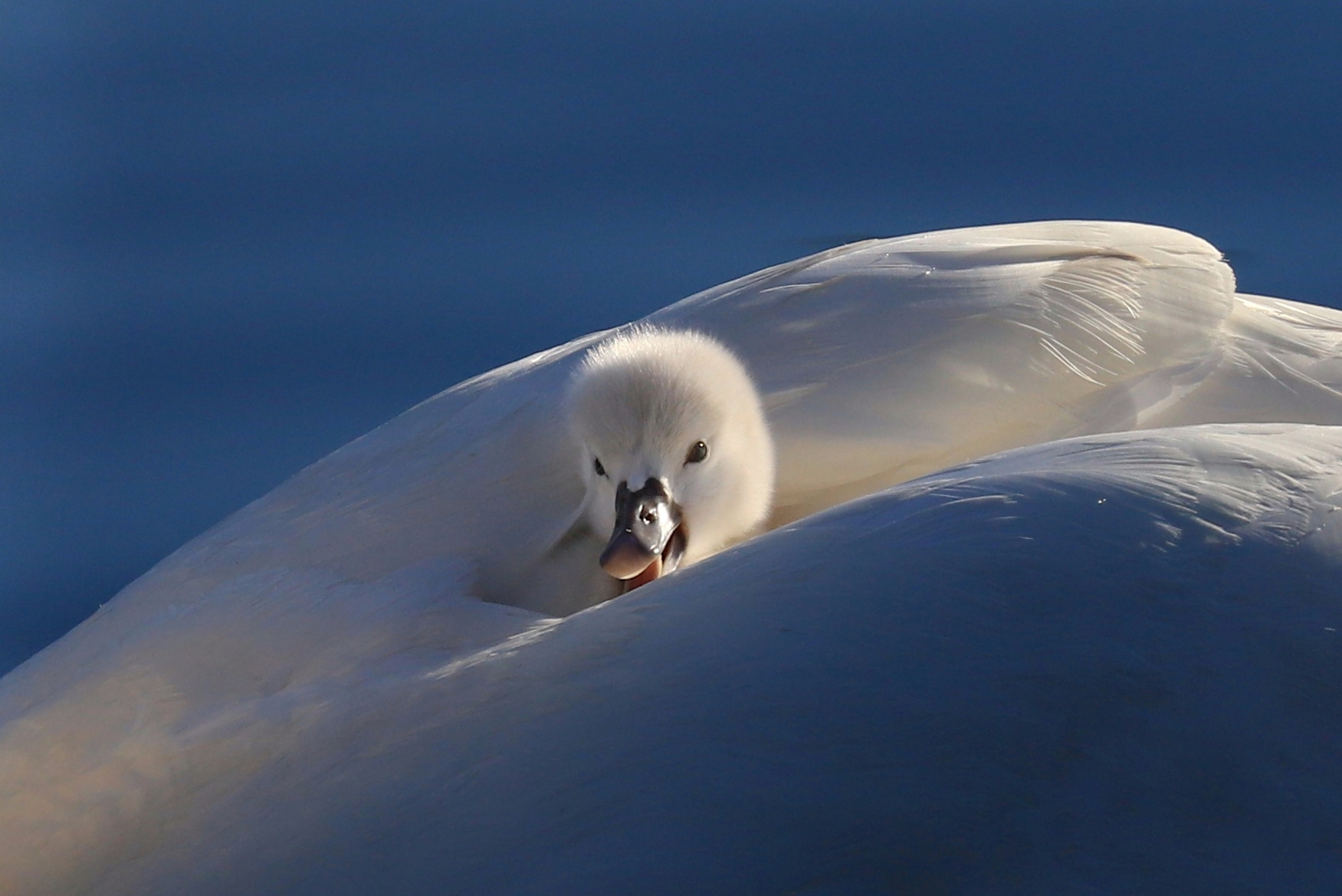
‘Baby Swan’ by Sean Huang
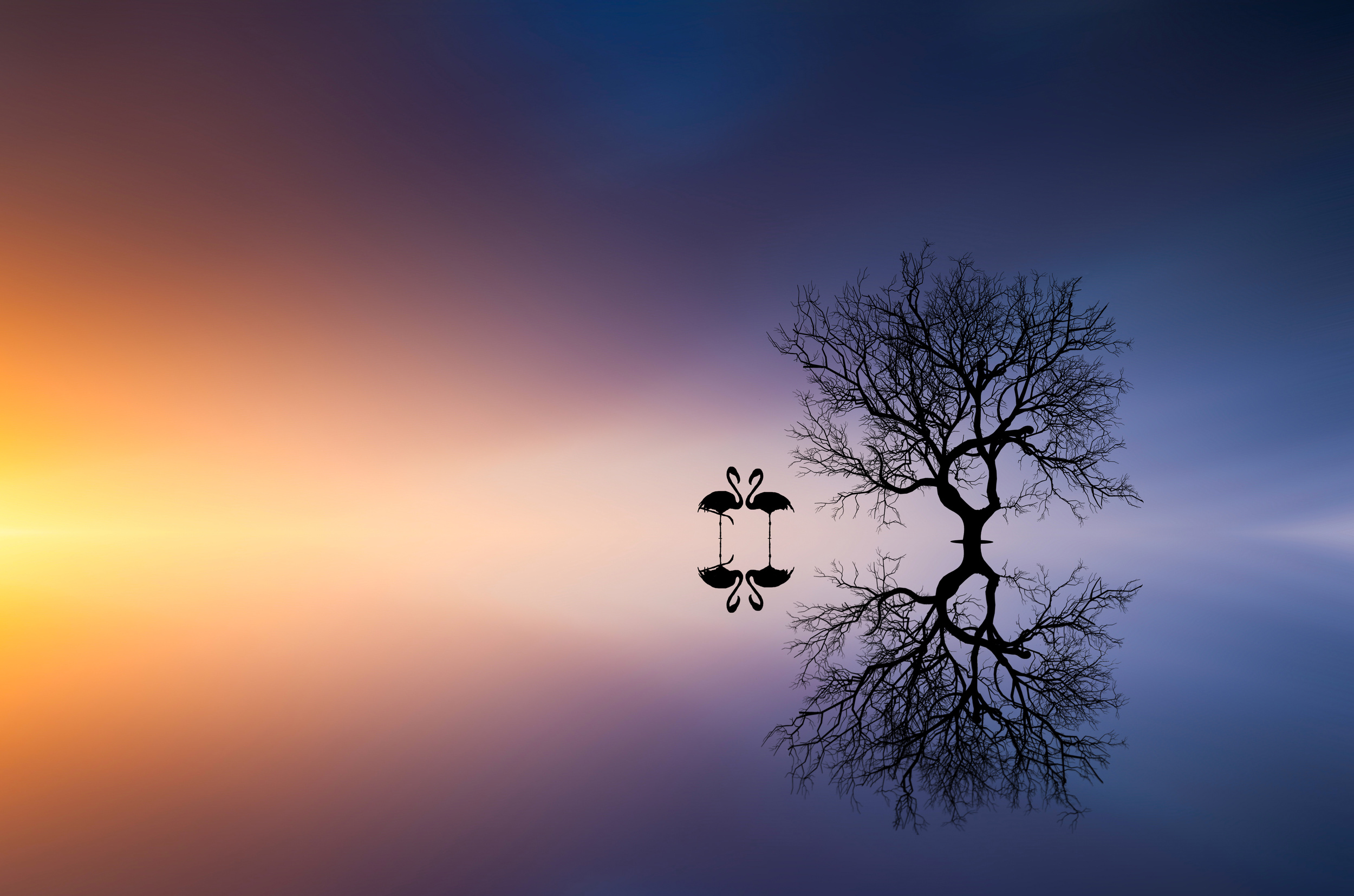
‘Flamingos in a lake with a tree’ by Bess Hamiti
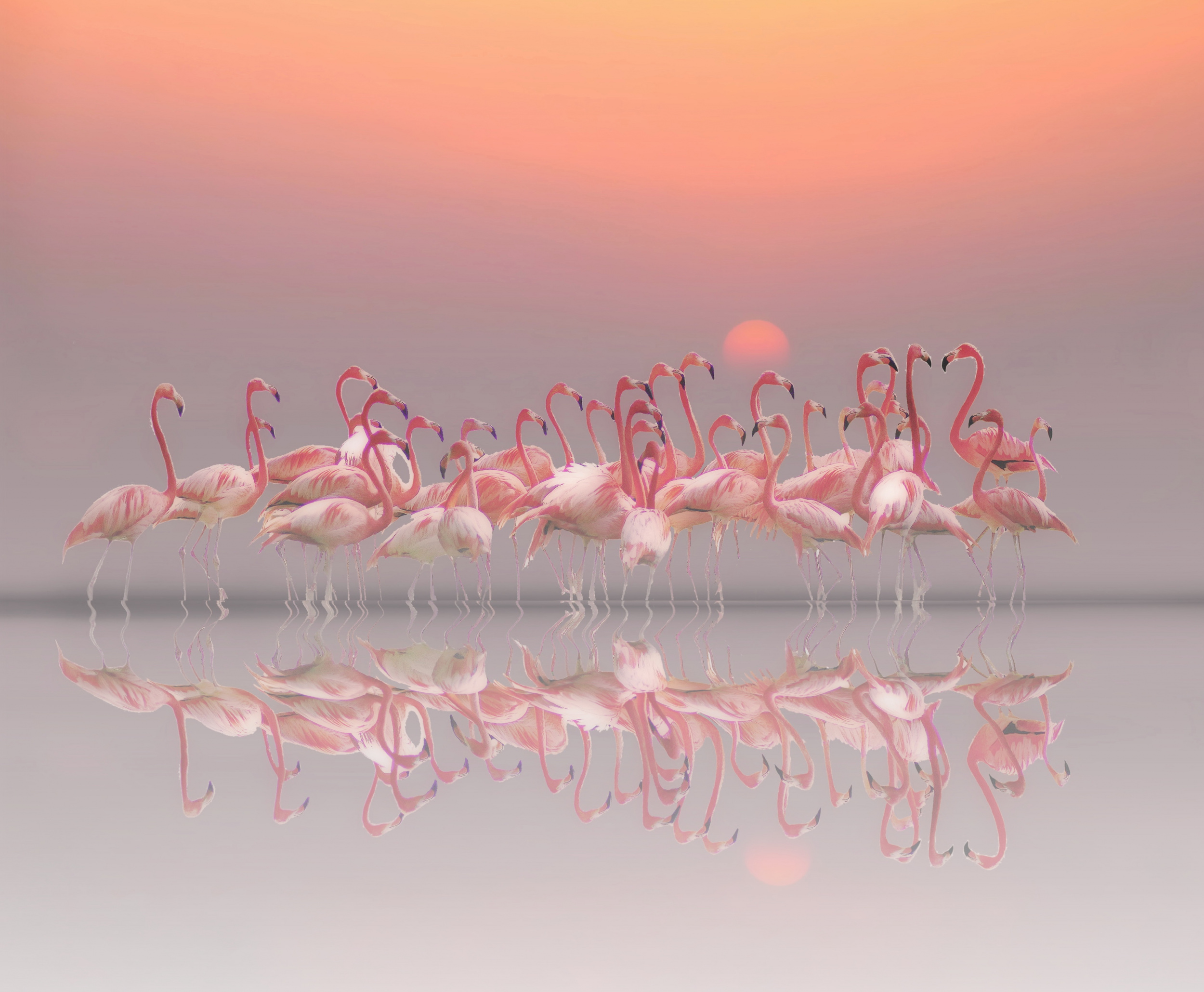
‘meeting before sunset’ by Anna Cseresnjes
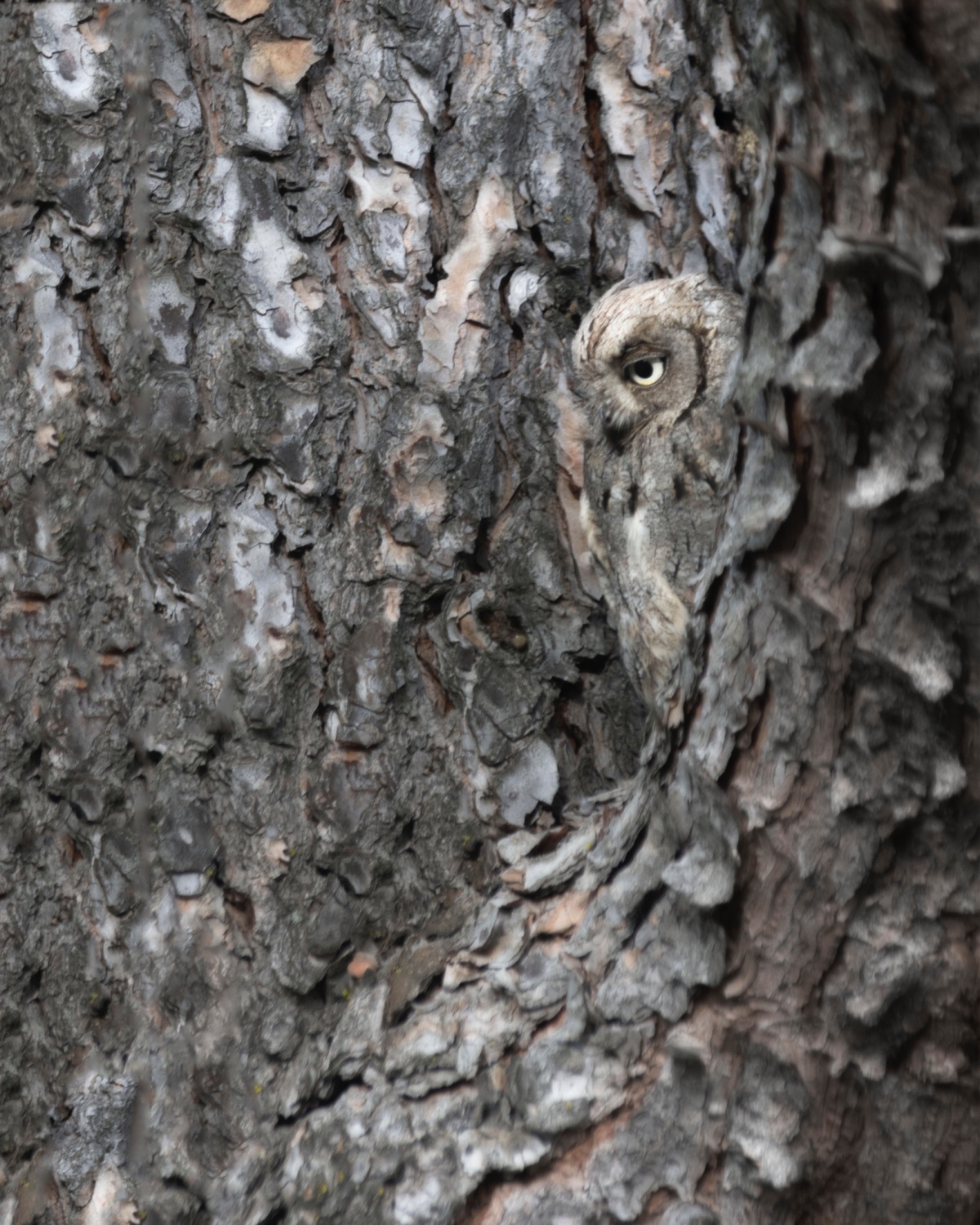
‘Owl’ by Riudavets
 | Write |
 | joanaduenas PRO Beautiful gallery, congrats for your splendid work!!!! |
 | Gian Corrado DONATI PRO Thanks a lot for the beautiful article with great pictures, dear Yvette and Jacob ! |
 | Gilles Benso PRO Magnifique, merci pour cette belle balade. |
 | yein PRO It's amazing. Each and every photo is a precious piece of work. It's great |
 | Carolina Garcia-Paris PRO I would literally fill up a room with prints of each of the photos showcased in this article, they have left me speechless! Kudos to Jacob and Yvette for this wonderful and inspiring article, going through it feels like food for the soul! 💙💜💛🤎❤️ |
 | Eiji Yamamoto PRO Dear Jacob and Dear Yvette, thank you so much for the wonderful and very inspiring article with great photos! |
 | Yinghui Dan PRO Beautiful image collection and great work! |
 | Offer Ellbogen PRO There is nothing more beautiful and enjoyable than seeing the life of wildlife, birds and fowl in nature.......remarkable, amazing, fascinating and diverse images........many thanks to all the photographers ! |
 | Thierry Dufour PRO Wonderful images, congrats to alla the photographers. Thank Yvette and Jacob for this splendid collection !!! |
 | Molly Fu (APA) PRO Many thanks to dear Jacob and Yvette, such a wonderful article with beautiful wildlife collections, different way of being touched by these lovely creatures, enjoyed! |
 | Sunil Kulkarni PRO Excellent Collection of very inspiring photos - love it and Congrats for those whose photos are selected. Keep up the great work Jacob! |
 | Marketa Zvelebil PhD LRPS CrGP. PRO Thank you for featuring my lions. |
 | Jealousy PRO Thank you so much, Jacob and Yvette, for this wonderful feature.
I’m truly honored and grateful to have my images included among such remarkable works. |
 | Mohammed Alhajri PRO Beautiful pictures |
 | DonnaHom APA PRO This is a great collection of the moody and quiet wildlife environment. It is a great horror to be included in this article. Thank you Jacob and Yvette for editing and publishing this magazine. |
 | Yvette Depaepe CREW Dear dear Donna ... I truly hope you didn't find it a 'horror' to be included in this article. I know you mean 'honor' ;-) ♥ |
 | Heike Willers PRO Amazing series of images! Thank you for sharing them with us. |
 | Betty Liu Amazing |
 | Wanghan Li PRO So beautiful and stunning works! Best compliments! |
 | Piet Haaksma PRO Stunning series of images. |
 | David Manusevich PRO Amazing work |